

The Sacred Mysteries of Vrindavan – Spiritual Significance of Krishna's Land
Spirituality16 December 2025
Vrindavan, the land of Lord Krishna's divine pastimes, holds immense spiritual significance. Every corner resonates with divine energy, ancient mysteries, and the eternal presence of Radha-Krishna.
Vrindavan — the enchanted forest where Lord Krishna performed His divine pastimes — is not merely a geographical location but a spiritual dimension that exists simultaneously on earth and in the eternal spiritual realm. For devotees, Vrindavan is the holiest place in the universe, where the veil between the material and spiritual worlds is thinnest, and where the divine love of Radha and Krishna can be directly experienced.
The Eternal Nature of Vrindavan
According to Vaishnava theology, the Vrindavan we see on earth is a reflection of the eternal Vrindavan (Goloka Vrindavan) in the spiritual world. The sacred texts describe that Krishna's pastimes are not historical events that happened once — they are eternal, continuously occurring in the spiritual dimension. When a devotee visits Vrindavan with pure heart and devotion, they can access this eternal reality.
This is why millions of pilgrims report extraordinary spiritual experiences in Vrindavan — visions, profound peace, spontaneous tears of devotion, and a sense of "coming home" that defies rational explanation.
Sacred Mysteries of Vrindavan
Nidhivan — The Forest That Comes Alive at Night
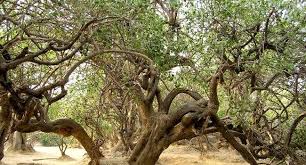
Nidhivan is perhaps the most mysterious place in Vrindavan. Local tradition holds that every night, Radha and Krishna perform their Rasa Lila (divine dance) in this forest. The trees are said to transform into gopis (cowherd maidens) who dance with Krishna, returning to tree form at dawn.
No one is allowed inside Nidhivan after sunset. Those who have attempted to stay (or hidden cameras placed inside) reportedly went mad or the equipment malfunctioned. The forest's trees grow in pairs, intertwined — said to represent the divine couple. Every morning, fresh offerings of betel leaves, sindoor, and bangles are found inside, as if someone performed shringar (adornment) during the night.
Banke Bihari Temple — The Living Deity
The deity of Banke Bihari is considered "jeevan" (living) — not merely a stone idol but Krishna Himself present in that form. The curtain before the deity is opened and closed every few minutes because it is believed that the deity's gaze is so powerful that prolonged eye contact would cause the devotee to lose consciousness in divine ecstasy.
Seva Kunj — Where Time Stops
Adjacent to Nidhivan, Seva Kunj is where Radha and Krishna are said to perform their intimate pastimes every night. The energy here is so intense that even birds and animals leave the area before sunset. Monkeys, which are everywhere in Vrindavan, refuse to enter Seva Kunj after dark.
The Yamuna's Spiritual Power
The Yamuna river in Vrindavan is not ordinary water — it is considered liquid love (prema). Bathing in the Yamuna at Vrindavan is said to awaken bhakti (devotion) in the heart. The river witnessed all of Krishna's childhood pastimes and carries that divine memory in every drop.
Important Temples of Vrindavan
- Banke Bihari Mandir: The most visited temple, housing the enchanting deity of Krishna in His tribhanga (three-fold bending) pose
- ISKCON Temple (Krishna Balaram Mandir): Founded by Srila Prabhupada, a center of international Krishna consciousness
- Prem Mandir: A stunning white marble temple depicting Radha-Krishna and Ram-Sita pastimes
- Radha Raman Temple: Housing a self-manifested deity of Krishna that appeared from a Shaligram shila
- Govind Dev Temple: Built by Raja Man Singh, originally seven stories tall (reduced to four by Aurangzeb)
- Radha Vallabh Temple: Where only Radha's deity is present — Krishna is represented by a flute placed beside Her
- Madan Mohan Temple: One of the oldest temples, established by Sanatana Goswami
Spiritual Practices in Vrindavan
Vrindavan offers unique spiritual practices not available elsewhere:
- Vrindavan Parikrama: Circumambulating the sacred town (approximately 15 km) on foot, visiting all major temples and sacred spots
- Yamuna Snana: Bathing in the Yamuna at dawn for spiritual purification and awakening of devotion
- Rasa Lila performances: Watching traditional dramatic enactments of Krishna's pastimes
- Kirtan at Banke Bihari: Participating in the ecstatic congregational chanting at the temple
- Govardhan Parikrama: Circumambulating the sacred Govardhan Hill (21 km)
- Radha Kund Snana: Bathing in Radha's sacred lake, considered the holiest water in the universe by Gaudiya Vaishnavas
Why Visit Vrindavan?
Vrindavan is not a tourist destination — it is a spiritual experience. People visit for:
- Deepening their devotion and love for Krishna
- Experiencing the tangible spiritual energy of the holy land
- Receiving darshan of ancient and powerful deities
- Participating in the vibrant kirtan and bhajan culture
- Connecting with saints and advanced devotees
- Performing spiritual practices in the most auspicious environment
- Finding answers to spiritual questions through divine grace
Asthawaani's Connection to Vrindavan
Asthawaani is born from the sacred soil of Vrindavan. Our spiritual services carry the authentic energy of this holy land directly to your home. Through our platform, you can:
- Participate in live satsang and kirtan from Vrindavan
- Receive mantra jaap performed by priests in Vrindavan
- Connect with the spiritual energy of Braj Bhoomi from anywhere
- Get guidance for planning your Vrindavan pilgrimage
Visit our services to experience the divine energy of Vrindavan from wherever you are.
Frequently Asked Questions
What is the best time to visit Vrindavan?
October to March offers pleasant weather. However, visiting during festivals — Janmashtami (August), Holi (March), Radhashtami (September), or Kartik month (October-November) — provides extraordinary spiritual experiences with heightened devotional energy.
Can non-Hindus visit Vrindavan temples?
Yes, most temples in Vrindavan welcome visitors of all faiths. The divine love of Radha-Krishna transcends religious boundaries. Dress modestly, remove shoes before entering temples, and approach with respect and openness.
Is it true that Vrindavan has special spiritual energy?
Millions of devotees across centuries have testified to experiencing extraordinary spiritual states in Vrindavan — spontaneous devotion, visions, profound peace, and divine encounters. Whether explained through faith or the accumulated spiritual energy of thousands of years of worship, the experience is real and transformative for those who visit with an open heart.