

Meditation for Beginners: A Complete Step-by-Step Guide
Meditation17 December 2025
Start your meditation journey with this comprehensive beginner's guide. Learn different types of meditation, step-by-step instructions, common mistakes to avoid, and tips for building a consistent practice.
Meditation is the practice of training your attention and awareness to achieve mental clarity, emotional calm, and spiritual insight. Whether you seek stress relief, better focus, or deeper spiritual connection, meditation offers a proven path to inner transformation that anyone can begin today, regardless of age, fitness level, or religious background.
What is Meditation?
At its core, meditation is the practice of turning your attention inward. While the mind naturally jumps from thought to thought like a restless monkey, meditation trains it to become still, focused, and aware. In the yogic tradition, meditation (dhyana) is the seventh limb of Patanjali's Ashtanga Yoga, leading ultimately to samadhi — a state of pure consciousness and bliss.
Meditation is not about stopping thoughts entirely — that's a common misconception. Rather, it's about observing thoughts without getting caught up in them, gradually creating space between you (the observer) and the constant mental chatter.
Types of Meditation for Beginners
1. Breath Awareness Meditation (Anapanasati)
The simplest and most accessible form. You simply observe your natural breath — the sensation of air entering and leaving your nostrils, the rise and fall of your chest or abdomen. When your mind wanders (and it will), gently bring attention back to the breath without judgment.
2. Mantra Meditation (Japa)
Involves repeating a sacred word or phrase, either aloud or silently. Popular mantras include "Om," "Om Namah Shivaya," "Hare Krishna," or the Gayatri Mantra. The repetition gives the mind a focal point and the vibration of sacred sounds has a purifying effect on consciousness. Learn more about mantra jaap practices.
3. Guided Visualization
A teacher or recording guides you through a mental journey — perhaps visualizing a peaceful place, divine light filling your body, or meeting your inner self. This is excellent for beginners who find it hard to sit with silence.
4. Body Scan Meditation
Systematically moving your attention through different parts of your body, noticing sensations without trying to change them. This builds body awareness and releases stored tension.
5. Trataka (Candle Gazing)
Focusing your gaze on a candle flame without blinking for as long as comfortable, then closing your eyes and visualizing the flame internally. This strengthens concentration and is traditionally used to develop the "third eye."
6. Loving-Kindness Meditation (Metta)
Directing feelings of love, compassion, and goodwill first toward yourself, then expanding outward to loved ones, neutral people, difficult people, and finally all beings everywhere.
Step-by-Step Guide to Your First Meditation
Follow these steps to begin your practice today:
- Step 1: Choose your space. Find a quiet, clean spot where you won't be disturbed. It doesn't need to be a dedicated meditation room — a corner of your bedroom works perfectly.
- Step 2: Set a timer. Start with just 5-10 minutes. You can gradually increase as your practice develops. Using a timer frees you from checking the clock.
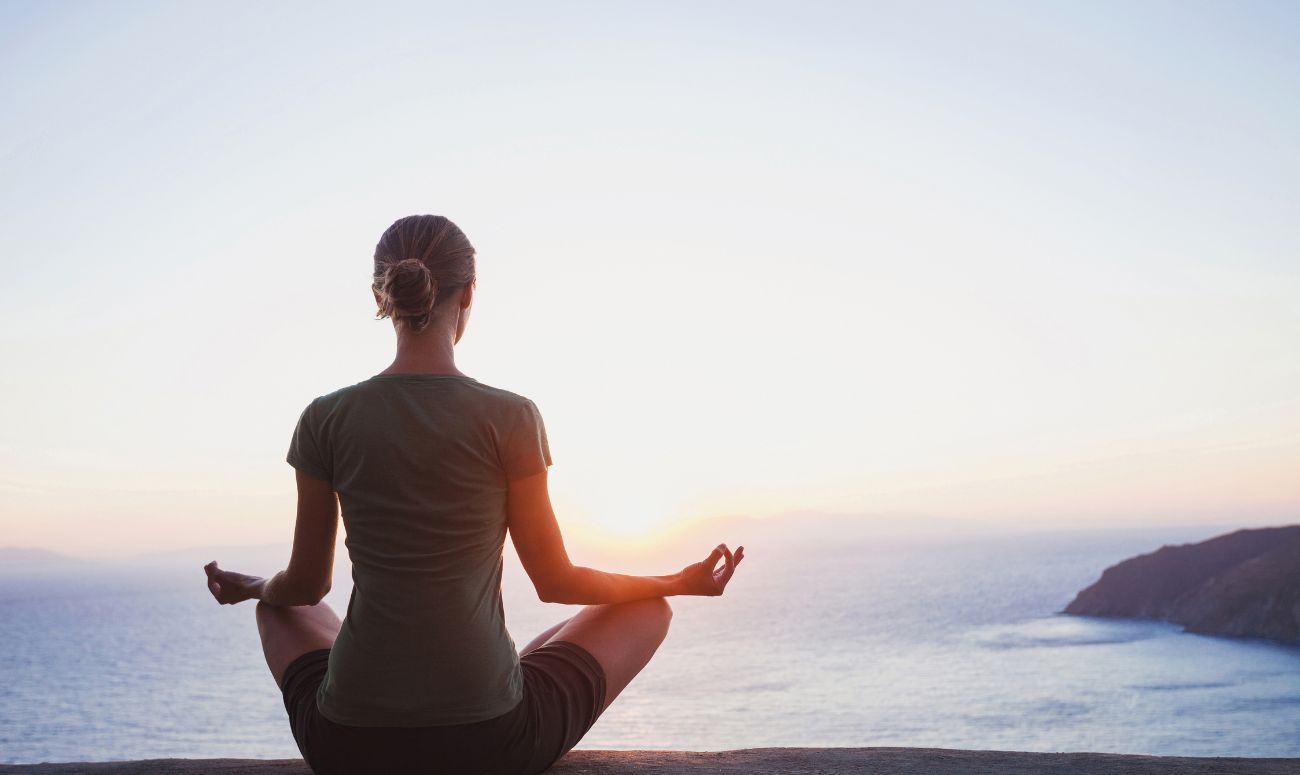
- Step 3: Sit comfortably. Sit on a cushion, chair, or mat with your spine straight but not rigid. Your hands can rest on your knees or in your lap. Close your eyes gently.
- Step 4: Take three deep breaths. Inhale deeply through your nose, exhale slowly through your mouth. This signals your body to relax and your mind to settle.
- Step 5: Choose your focus. Begin observing your natural breath, or start repeating your chosen mantra silently.
- Step 6: Notice when your mind wanders. This will happen repeatedly — it's completely normal. Each time you notice, gently return to your focus point without frustration or self-criticism.
- Step 7: End mindfully. When your timer sounds, don't jump up immediately. Take a moment to notice how you feel, offer gratitude for the practice, and slowly open your eyes.
Tips for Building a Consistent Practice
- Same time, same place: Meditating at the same time and location each day builds a powerful habit. Early morning (Brahma Muhurta, 4-6 AM) is traditionally considered ideal.
- Start small: Five minutes daily is better than 30 minutes once a week. Consistency matters more than duration.
- Be patient: Meditation is a skill that develops over time. Don't expect instant results or judge your sessions as "good" or "bad."
- Use anchors: Link meditation to an existing habit — after brushing your teeth, before your morning coffee, or right before bed.
- Track your practice: Keep a simple journal noting the date, duration, and any observations. This builds accountability and helps you notice progress.
- Join a community: Meditating with others provides support, accountability, and the powerful energy of group practice.
Common Mistakes to Avoid
- Trying too hard: Meditation is about relaxed awareness, not forceful concentration. If you're straining, you're doing it wrong. Ease up.
- Expecting instant results: Some people feel benefits immediately; for others, it takes weeks. Trust the process and stay consistent.
- Fighting thoughts: Trying to suppress thoughts creates more mental agitation. Instead, let thoughts pass like clouds in the sky — observe them without engaging.
- Irregular practice: Skipping days breaks momentum. Even on busy days, sit for just 2-3 minutes to maintain the habit.
- Uncomfortable posture: Pain and discomfort will dominate your attention. Use cushions, a chair, or whatever support you need to sit comfortably.
- Comparing yourself to others: Everyone's meditation journey is unique. Don't compare your experience to what you read or hear from others.
The Science Behind Meditation
Modern neuroscience has confirmed what yogis have known for millennia. Regular meditation physically changes the brain — increasing gray matter in areas associated with self-awareness, compassion, and introspection, while reducing activity in the amygdala (the brain's stress center). Studies show meditation can:
- Reduce cortisol (stress hormone) levels by up to 25%
- Improve attention span and working memory
- Lower blood pressure and heart rate
- Enhance immune system function
- Reduce symptoms of anxiety and depression
- Improve sleep quality
When to Seek Guidance
While meditation is generally safe and beneficial, consider seeking guidance from an experienced teacher if you experience persistent anxiety during practice, encounter intense emotions or memories, want to deepen your practice beyond basics, or are interested in advanced techniques like kundalini meditation. Visit our services page for personalized meditation guidance.
Frequently Asked Questions
How long should a beginner meditate?
Start with 5-10 minutes daily and gradually increase to 20-30 minutes as your practice develops. The key is consistency — daily short sessions are more beneficial than occasional long ones.
What if I can't stop my thoughts during meditation?
You don't need to stop thoughts. The goal is to observe them without attachment. Each time you notice your mind has wandered and bring it back, you're strengthening your meditation "muscle." This noticing IS the practice.
Is it better to meditate in the morning or evening?
Morning meditation (especially during Brahma Muhurta, 4-6 AM) is traditionally recommended as the mind is fresh and the environment is peaceful. However, the best time is whenever you can practice consistently. Evening meditation helps release the day's stress.
Can meditation replace sleep?
No, meditation and sleep serve different functions. However, regular meditation improves sleep quality, and deep meditation can provide rest that partially compensates for sleep deficit. Never use meditation as a substitute for adequate sleep.